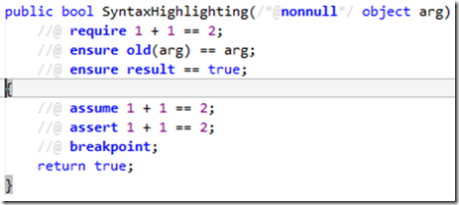
Specifications
This blog post explores enhancements in the NStatic tool, focusing on scalability improvements and new specification syntax for C# developers. It highlights the integration of keywords for better code assertions and breakpoints, aiming to elevate code quality through static analysis.
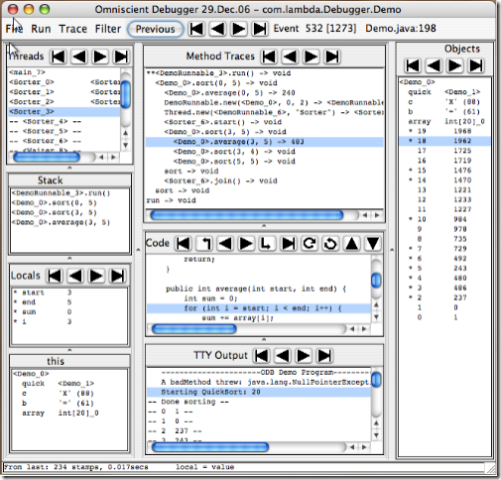
Omniscient Debugging
This blog post delves into Omniscient Debugging, a revolutionary approach by Bill Lewis that allows developers to track every state change in a program's execution, enhancing debugging efficiency. Targeted at software developers and computer scientists, it discusses the integration of this method with existing debugging tools.
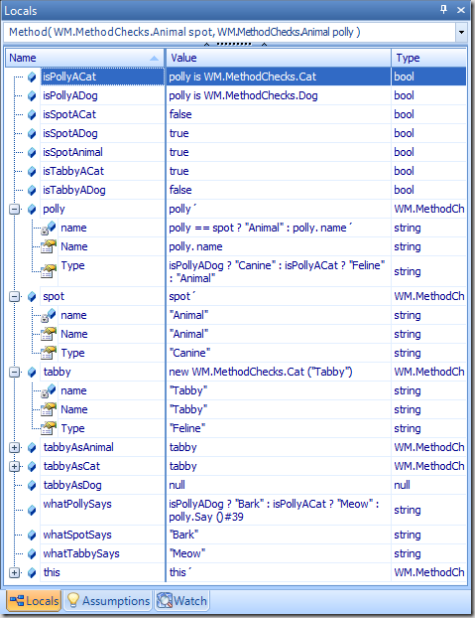
Methods, Part 1
This blog post delves into the complexities of method handling in static analysis, particularly focusing on virtual functions within an object-oriented programming framework. Targeted at developers and software engineers, it provides insights and examples related to class hierarchies and variable behaviors.
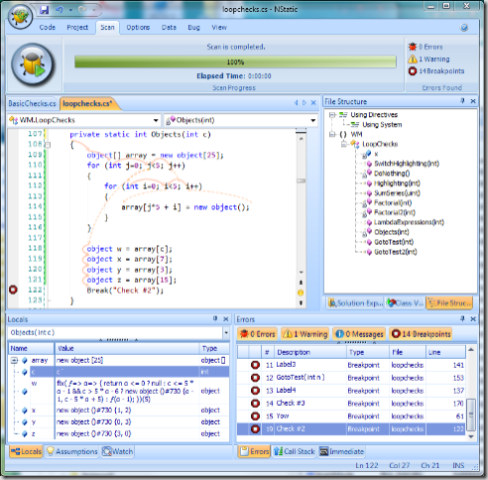
NStatic Usability
This blog post explores the usability enhancements made to the NStatic user interface, emphasizing improved interactivity, data manipulation, and error management. Targeted at developers and tech enthusiasts, it showcases the author's dedication to delivering a refined tool ahead of its beta release.
Loops, Part 2
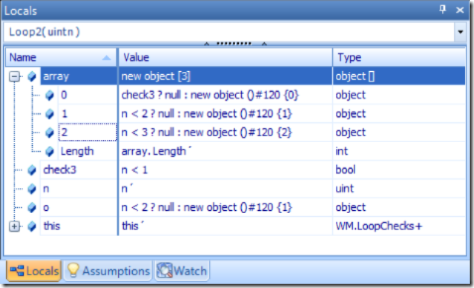
This blog post explores advanced techniques for loop handling in static analysis, focusing on efficient code representation and object identification. Targeted at software developers and analysts, it emphasizes methods for managing state and function calls to enhance code clarity and composability.
Loops, Part 1
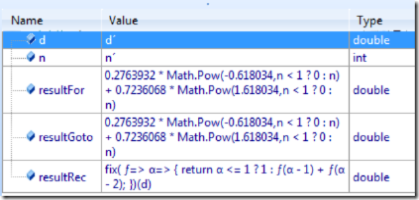
This blog post introduces developers to loops in NStatic, highlighting their unique handling compared to other programming languages. It focuses on the Fibonacci function through various implementations, offering insights into advanced programming techniques and recursion for those looking to enhance their coding skills.
Static Analysis At Microsoft
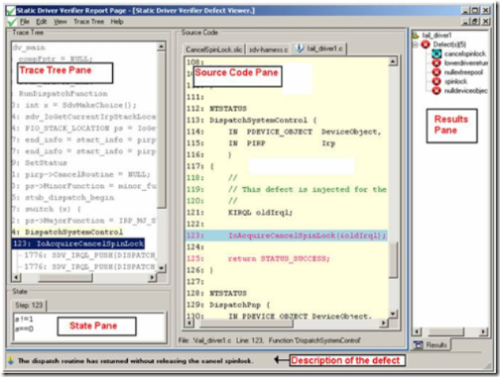
This blog post delves into Microsoft's advancements in static analysis tools, particularly for driver verification, showcased at WinHEC 2007. Targeted at software developers and engineers, it highlights the importance of tools like Static Driver Verifier and PREfast in enhancing software reliability and minimizing bugs.
Equation Solving
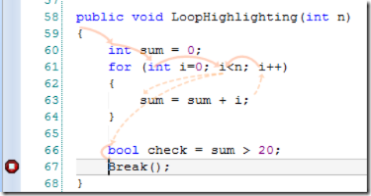
This blog post delves into the equation-solving features of the NStatic Tool, targeting developers and mathematicians. It emphasizes the significance of using rational numbers to prevent rounding errors while efficiently solving systems of linear and polynomial equations.
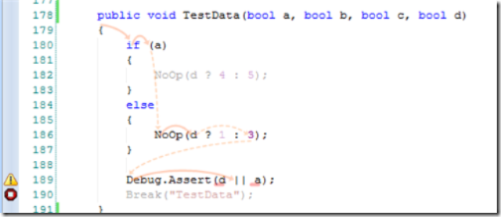
Execution Paths
This blog post delves into execution paths in software debugging, emphasizing the visualization of these paths to uncover potential errors. Targeted at developers and software engineers, it highlights the complexities of error reporting and tracing within various control structures.
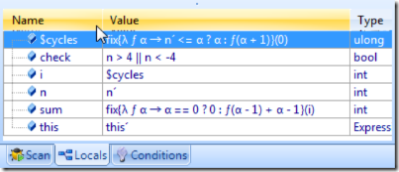
Anonymous Recursion
This blog post delves into anonymous recursion in C#, focusing on lambda expressions and fixed-point combinators. Targeted at developers exploring functional programming, it addresses the complexities and solutions for implementing recursion in a language that lacks explicit recursion operators.
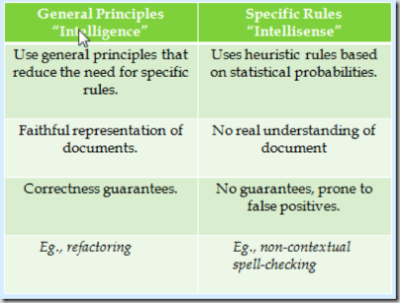
NStatic Presentation, II
This blog post delves into advanced concepts of NStatic, focusing on symbolic manipulation and interprocedural analysis to enhance static code analysis tools. Targeted at software developers, it emphasizes achieving human-like intelligence through semantic evaluations rather than traditional syntax-based methods.
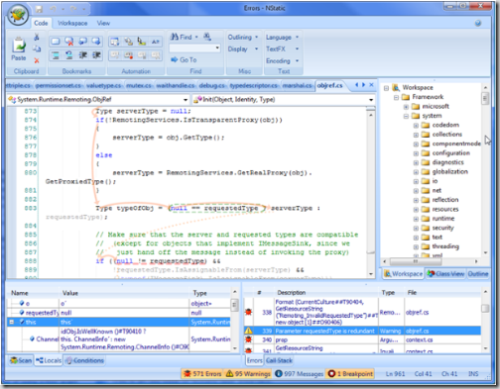
NStatic Presentation
This blog post provides an overview of a presentation on NStatic, a static analysis tool designed for .NET developers. It highlights the tool's unique features, competitive landscape, and audience feedback, emphasizing its potential to enhance code quality and streamline debugging processes.

Program Verification
This blog post delves into the complexities of program verification, drawing insights from J Strother Moore's presentation at the Verification Grand Challenge Workshop. Targeted at software developers and researchers, it discusses historical trends, current challenges, and proposes innovative methods for enhancing program analysis.
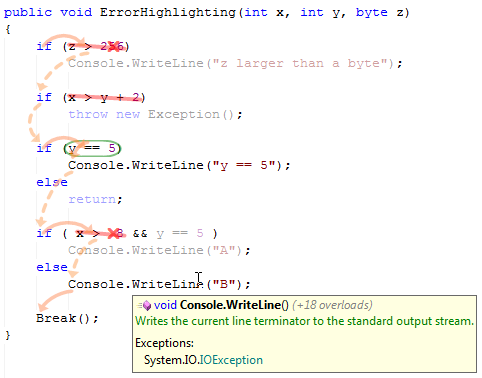
Effortless UI, II
This blog post delves into user interface enhancements aimed at improving error visualization for developers. It discusses techniques like arrows and highlighting to clarify code execution flow, inviting feedback to refine these visual elements for better debugging experiences.
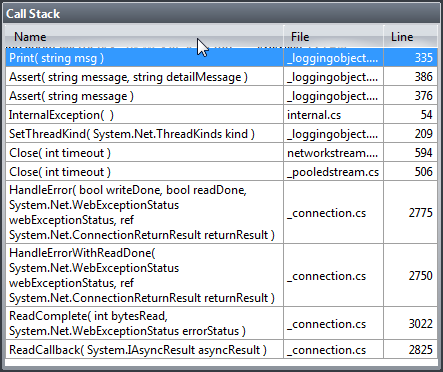
Interprocedural Analysis
This blog post explores interprocedural analysis in static analysis tools, focusing on the NStatic tool's innovative approach to efficiently analyze both simple and complex functions. It is aimed at developers and software engineers seeking to improve their code analysis techniques while overcoming traditional limitations.
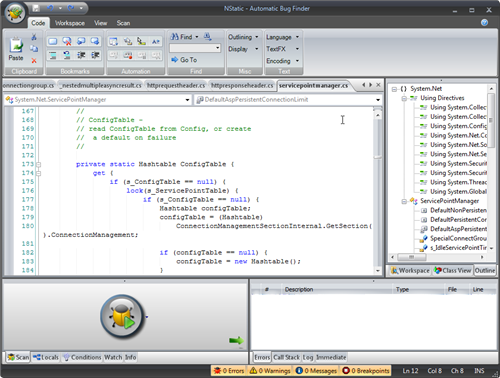
Last Mile
This blog post delves into the development of the NSTATIC software tool, emphasizing UI enhancements, beta testing, and localization efforts. Targeted at developers and tech enthusiasts, it outlines community engagement plans, product launch strategies, and documentation insights.
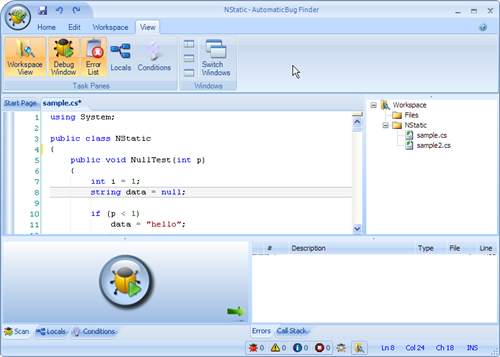
Release Early and Often
This blog post emphasizes the significance of releasing products early and frequently in entrepreneurship, advocating for timely delivery over extensive features to enhance revenue and customer feedback. Aimed at entrepreneurs and software developers, it offers strategies for efficient product launches.
NStatic Status
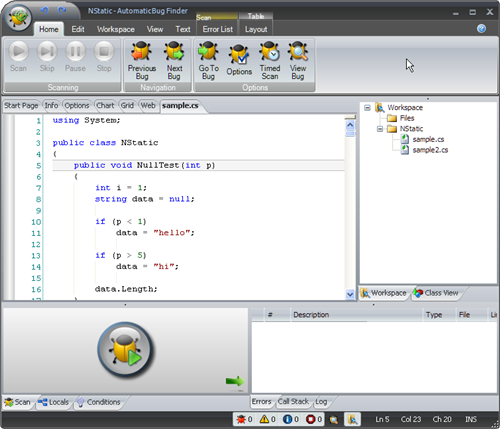
This blog post updates readers on the development status of NStatic, a programming tool aimed at enhancing code analysis through advanced algorithms. It discusses challenges faced, future plans, and insights relevant to software developers and tech enthusiasts interested in programming tools and AI applications.
Partial Office UI
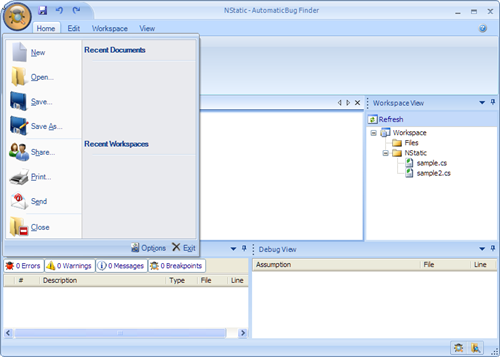
This blog post offers a preview of the upcoming Office UI from NStatic, focusing on updates to the ribbon icons. Aimed at developers and tech enthusiasts, it builds anticipation for the full release expected in the coming weeks.
Workspaces
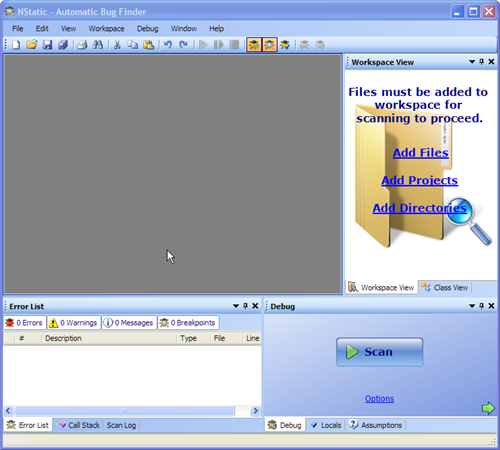
This blog post delves into the concept of workspaces in NStatic, a tool designed for managing multiple files and projects. Aimed at developers, it compares NStatic's workspace functionality to similar features in Excel and Visual Studio, while addressing user experience and potential complexities.
Effortless UI, Part 1
In "Effortless UI, Part 1," the author discusses creating user-friendly software that reduces mental effort through intuitive design. Targeted at developers and software engineers, the post emphasizes the significance of usability in enhancing user experience and software interaction.
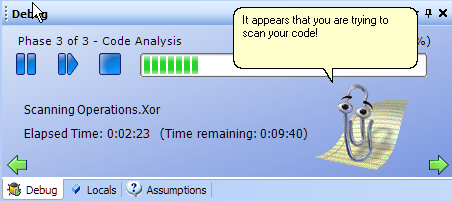
NStatic Social Interface
This blog post explores the introduction of a user-friendly help feature in NStatic, comparing the effectiveness of Clippy and a wizard for novice users. Targeting software developers and usability enthusiasts, it invites readers to share their opinions on which assistance character enhances application usability.
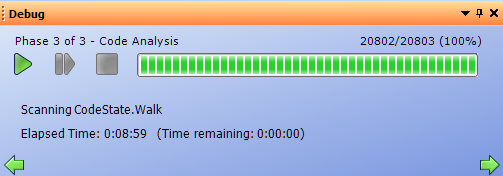
Inductive UI
This blog post delves into Inductive User Interfaces (UIs), emphasizing their benefits for both novice and advanced users. It targets UI designers and software developers, showcasing how task-based navigation and descriptive design can significantly enhance user experience in applications like NStatic.
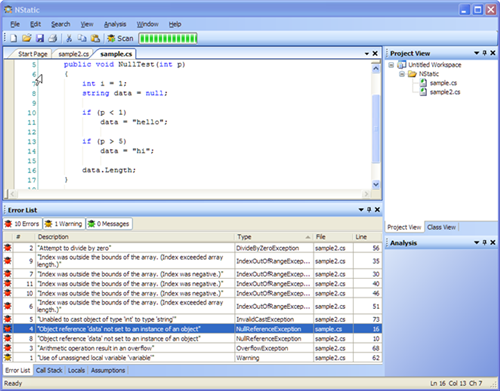
NStatic Walkthrough
This blog post offers a comprehensive walkthrough of NStatic, a tool for developers to analyze code in isolation and identify errors. It highlights the user interface, error handling features, and debugging capabilities, making it an essential resource for programmers looking to enhance their coding efficiency.
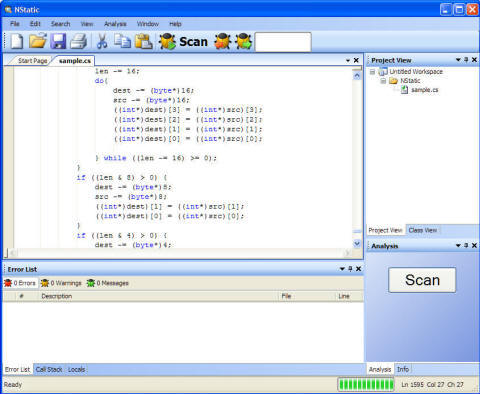
UI Decisions
This blog post delves into the critical UI design decisions for a GUI-only product, focusing on the placement of essential elements like the "Scan" button and progress bar. Targeted at developers and designers, it highlights the balance between functionality and user experience in interface design.